

- User ID
- 3548
VEG
Special T (8.2-3.9-32) 0.51g/L
CalNit (15.5-0-0) 0.76g/L
MagSulf (0-0-0) 0.26g/L
MKP (0-22.7-28.2) 0.06g/L
Brix Fix 1ml/10L
NPK (11.72-2.52-13.62)
Approximately 1.6 to 1.8 EC
Bottled Nutrient recipe (makes 2× 2 Litre bottles, cut in half to make 1 litre etc).
Stock Solution Part A (2 Litres Final Volume)
Stock Solution part B (2 Litres Final Volume)
EARLY BLOOM (V2)
Special T 0.33g/L
CalNit 0.70g/L
MagSulf 0.26g/L
MAP 0.20g/L
MKP 0.37g/L
Brix Fix 1ml/10L
NPK 9.75-9.38-13.16
Elemental Analysis:
Nitrogen: 156.11 ppm, Phosphorus: 65.50 ppm, Potassium: 175 ppm, Magnesium: 35 ppm, Sulphur: 51.56 ppm
Iron (Fe): 0.54 ppm (Target: 0.5–2.0 ppm) Manganese (Mn): 0.27 ppm (Target: 0.2–0.5 ppm) Boron (B): 0.10 ppm (Target: 0.1–0.3 ppm) Zinc (Zn): 0.08 ppm (Target: 0.05–0.1 ppm) Copper (Cu): 0.06 ppm (Target: 0.02–0.05 ppm)
Bottled Nutrient Solution (makes 2 litres of bottled nutrient solution, if you only want 1 litre then half the dry salt numbers).
Solution A (Early Bloom)
Part A (2-Litre Bottle):
Solution part B (Early Bloom)
Mid Bloom to Late Bloom
Special T 0.33g/L
CalNit 0.20g/L
Calcium Acetate 0.30g/L
MagSulf 0.26g/L
MAP 0.20g/L
MKP 0.37g/L
Brix Fix 1ml/10L
NPK 7.37-13.64-19.15
Stock Solutions remain the same but instead of dosing 3.33ml/L of Part A, just dose 1ml/L instead (works out to 0.21g of calcium nitrate per litre).
Note: Extra calcium will more than likely be needed if using coco coir as the growing medium, such as calcium chelate or calcium acetate.
I have changed the calcium source from calcium chloride as issues can arise if chloride binds with ammonia which will make chloramine and potentially lead to issues if used for extended periods.
To make calcium acetate:
Calcium acetate is not necessarily needed for soil/potting mix unlike coco coir.. Just make sure to amend anything that will provide a bit of calcium, example: calcium carbonate - garden lime, gypsum, oyster shell flower or some high calcium guano. Slightly acidic water will help break the calcium source down along with the microbial lifeforms bacterial/fungal making it available to the plants.
Interesting articles which encouraged me to change the recipe.

 israelagri.com
 israelagri.com
 israelagri.com
 israelagri.com
 israelagri.com
Videos which could be helpful
Salts

 bosca.com.au
Special T (8.2-3.9-32) 0.51g/L
CalNit (15.5-0-0) 0.76g/L
MagSulf (0-0-0) 0.26g/L
MKP (0-22.7-28.2) 0.06g/L
Brix Fix 1ml/10L
NPK (11.72-2.52-13.62)
Approximately 1.6 to 1.8 EC
Bottled Nutrient recipe (makes 2× 2 Litre bottles, cut in half to make 1 litre etc).
Stock Solution Part A (2 Litres Final Volume)
- CalNit (Calcium Nitrate): 456.00 grams
- 0.2 - 0.4 grams sodium benzoate (preservative)
Stock Solution part B (2 Litres Final Volume)
- Special T: 306.00 grams
- MagSulf (Magnesium Sulfate): 156.00 grams
- MKP (Monopotassium Phosphate): 36.00 grams
- 0.2 - 0.4 grams sodium benzoate (preservative)
EARLY BLOOM (V2)
Special T 0.33g/L
CalNit 0.70g/L
MagSulf 0.26g/L
MAP 0.20g/L
MKP 0.37g/L
Brix Fix 1ml/10L
NPK 9.75-9.38-13.16
Elemental Analysis:
Nitrogen: 156.11 ppm, Phosphorus: 65.50 ppm, Potassium: 175 ppm, Magnesium: 35 ppm, Sulphur: 51.56 ppm
Iron (Fe): 0.54 ppm (Target: 0.5–2.0 ppm) Manganese (Mn): 0.27 ppm (Target: 0.2–0.5 ppm) Boron (B): 0.10 ppm (Target: 0.1–0.3 ppm) Zinc (Zn): 0.08 ppm (Target: 0.05–0.1 ppm) Copper (Cu): 0.06 ppm (Target: 0.02–0.05 ppm)
Bottled Nutrient Solution (makes 2 litres of bottled nutrient solution, if you only want 1 litre then half the dry salt numbers).
Solution A (Early Bloom)
Part A (2-Litre Bottle):
- CalNit: 420.0 g
- 0.2 - 0.4 grams sodium benzoate (preservative)
Solution part B (Early Bloom)
- Part B (2-Litre Bottle):
- Special T: 198.0 g
- MagSulf: 156.0 g
- MKP: 222.0 g
- MAP: 120.0 g
- 0.2 - 0.4 grams sodium benzoate (preservative)
- Dose Separately: Always add Part A to your main reservoir water first, mix thoroughly, and then add Part B. Never mix the two concentrates directly together.
- Do not store the bottles on cold concrete floors or in unheated garages. If the liquid drops below 12°C, the salts will crystallise and fall out of solution.
Mid Bloom to Late Bloom
Special T 0.33g/L
CalNit 0.20g/L
Calcium Acetate 0.30g/L
MagSulf 0.26g/L
MAP 0.20g/L
MKP 0.37g/L
Brix Fix 1ml/10L
NPK 7.37-13.64-19.15
Stock Solutions remain the same but instead of dosing 3.33ml/L of Part A, just dose 1ml/L instead (works out to 0.21g of calcium nitrate per litre).
Note: Extra calcium will more than likely be needed if using coco coir as the growing medium, such as calcium chelate or calcium acetate.
I have changed the calcium source from calcium chloride as issues can arise if chloride binds with ammonia which will make chloramine and potentially lead to issues if used for extended periods.
To make calcium acetate:
- Vinegar quantity: Use exactly 3.7 Litres of 20% vinegar.
- Calcium Carbonate quantity: Keep the calcium carbonate at 400g
- Vessel size: Upgrade to a larger container (at least 5 to 6 Litres) to safely accommodate the increased liquid volume and prevent the initial foaming from spilling over.Solubility: At room temperature, 1 kilogram of calcium acetate dissolves perfectly in 3 Litres of water. Your final solution will be entirely liquid with no premature crystal precipitation.
- Longer evaporation time: Because you are starting with much more liquid than the glacial acetic acid method, evaporating the solution down to a dry powder will take significantly longer or require more heat/surface area.
Calcium acetate is not necessarily needed for soil/potting mix unlike coco coir.. Just make sure to amend anything that will provide a bit of calcium, example: calcium carbonate - garden lime, gypsum, oyster shell flower or some high calcium guano. Slightly acidic water will help break the calcium source down along with the microbial lifeforms bacterial/fungal making it available to the plants.
Interesting articles which encouraged me to change the recipe.
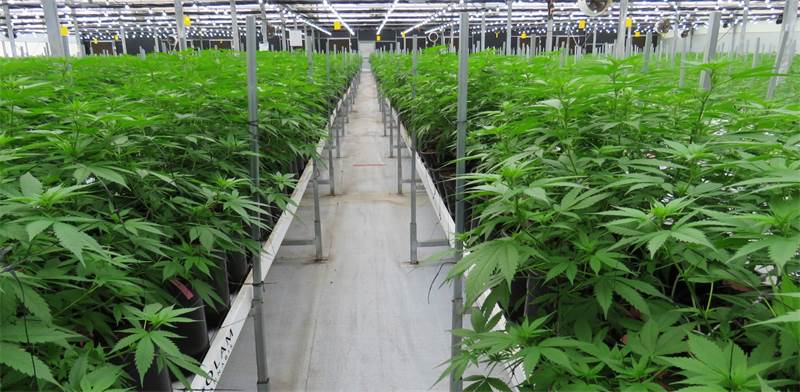
Advances in science-based fertilization technologies for medical cannabis - Israel Agricultural Technology & innovations Hub
despite the high demand for cannabis products and the long history of cultivation by humanity, almost no science-based knowledge is available regarding the regulation of production of the therapeutic compounds in the cannabis plant, and particularly concerning effects of cultivation conditions...
israelagri.com
The science of medical cannabis nutrition - Israel Agricultural Technology & innovations Hub
compare to conventional horticulture, commercial crop cultivation of medical cannabis is a new farming niche. while commercial and academic researches regarding optimal growth condition and nutrition for cannabis are still limited, most of the known growing practice is based on growers’...
israelagri.com
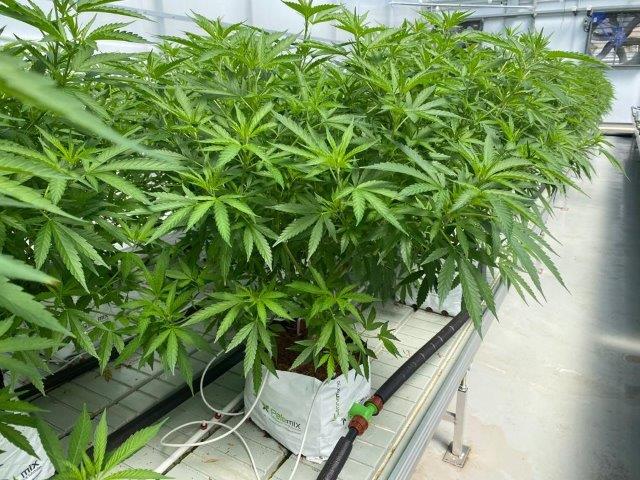
Nutrition for Medical Cannabis Optimal Growth - Israel Agricultural Technology & innovations Hub
cannabis is an annual plant, dioecious, from the cannabaceae family, belonging to the c3 class. it originated from the himalayas and southern asia, as there is evidence throughout history of medical uses of the plant more than 5,000 years ago in china and ancient egypt.the plant’s fibers, seeds...
israelagri.com
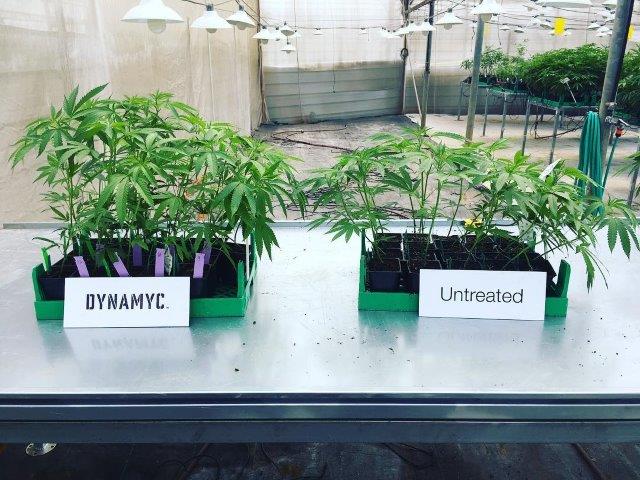
The Benefits of Incorporating Mycorrhizal Fungi in Cannabis Cultivation - Israel Agricultural Technology & innovations Hub
dynamyc™ is a groundbreaking mycorrhizal inoculant developed by groundwork bioag, specifically formulated for cannabis growers. it acts as a biofertilizer by absorbing mineral nutrients from the soil and translocating them into the plant’s roots. dynamyc™ is highly concentrated with unique and...
israelagri.com
Optimizing Cannabis Root zone temperatures – key to volume and uniformity - Israel Agricultural Technology & innovations Hub
farmers who are growing greenhouse crops under controlled conditions seek to increase crop yield per unit of area and maintain crop quality, texture, taste and plant’s health etc. an additional challenge growers face is preserving uniformity of plant groups in the greenhouse.uniformity means...
israelagri.com
Videos which could be helpful
Salts
Mono-Ammonium Phosphate (MAP) 1Kg
Mono-Ammonium Phosphate (MAP) Formula: NH₄H₂PO₄ AKA: Ammonium dihydrogen phosphate (ADP) Typical Analysis P% 21.9 N% 10 K% 0 S% 1.5 Zn% 0 FeaturesNitrogen and phosphorus present in every granule. Quality & HandlingNominal 2-4 mm granule sizing.Bulk density 1.0 tonnes per cubic metre...
bosca.com.au